
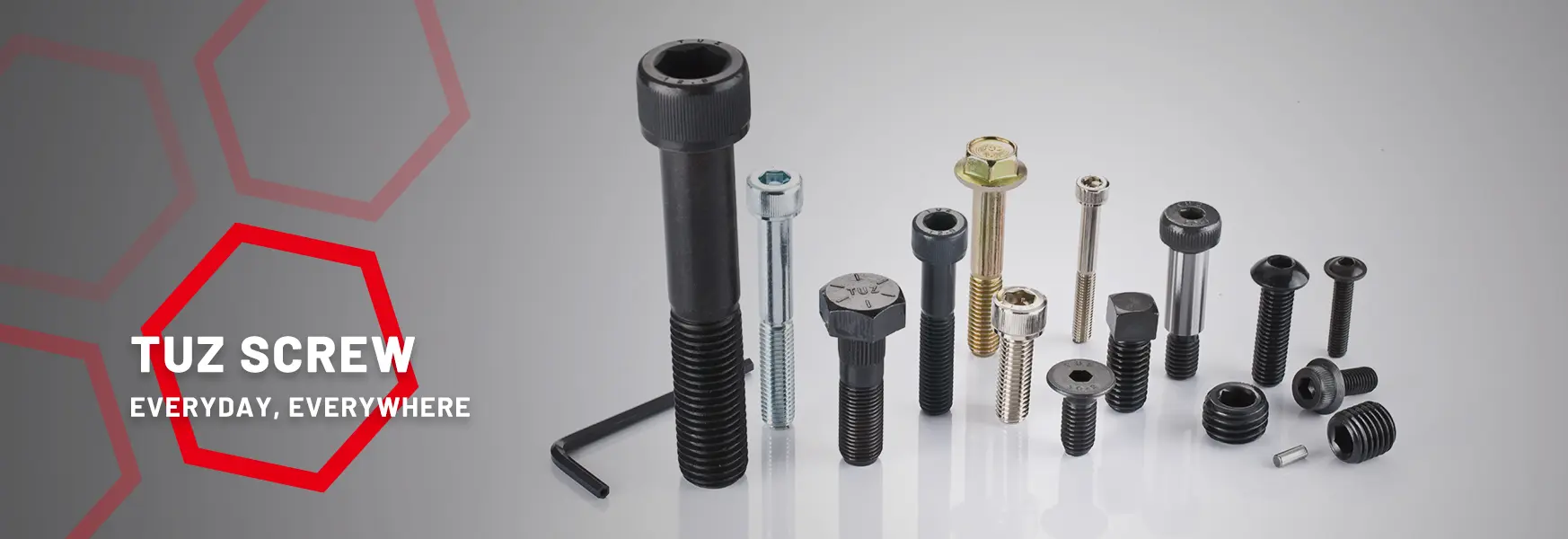
Screws are small but essential components used in almost every industry, from furniture assembly to large construction projects. They help hold things together securely and are designed in various shapes and sizes to suit different needs. But have you ever wondered how screws are manufactured? The process of manufacturing screws involves multiple steps to ensure they are strong, precise, and reliable. In this article, we will explore why screws are important, how they work, and how they are manufactured step by step.
The Importance of Screws
 Screws play a crucial role in everyday life. They are used in construction, electronics, furniture, automobiles, and countless other applications. Unlike nails, screws provide a stronger and more secure hold because of their threaded design, which helps grip materials tightly and resist pulling forces.
Strength and Durability
Screws provide a strong and durable hold due to their threaded design. This design allows them to grip materials tightly, resisting pulling forces and ensuring a stable connection over time. Unlike nails, screws maintain their hold even when materials expand or contract due to temperature changes, making them ideal for applications where stability is crucial.
Corrosion Resistance
Many screws are coated with protective materials such as zinc, ceramic, or Dacromet coatings to resist rust and corrosion. These coatings provide durability and ensure screws remain strong even in harsh environments, such as bridges, boats, coastal structures, and home exteriors. Stainless steel screws offer inherent corrosion resistance without requiring additional coatings, making them ideal for marine and chemical industries.
Easy to Remove and Reuse
Unlike nails, which can split wood or become bent during removal, screws can be removed without damaging the surrounding material. This feature makes screws ideal for applications where components need to be frequently serviced or upgraded.
How Does a Screw Work?
Applying Force Gradually with Threads
At its core, a screw works by using threads to gradually apply force as it is turned. Its design is based on a simple machine: an inclined plane wrapped around a shaft. This spiral shape allows force to be distributed along the threads, making it easier to drive the screw into materials than using direct pressure alone.
As the screw rotates, the threads grip the surrounding material or a pre-threaded hole, pulling the screw in smoothly while increasing resistance in a controlled, progressive way. This gradual engagement allows for secure fastening with minimal effort and greater control compared to a straight-in fastener like a nail.
Turning Rotation into Forward Movement
One of the key ways a screw works is by turning rotational force into forward movement. When you twist a screw with a screwdriver or wrench, you apply torque—a rotational force. The angled threads convert that circular motion into forward motion, causing the screw to drive deeper into the material with each turn.
The amount of forward movement per rotation depends on the thread pitch, which is the distance between each thread. Screws with fine threads move more slowly but offer a tighter, more controlled grip. In contrast, coarse-threaded screws advance more quickly but may not hold as securely in some materials.
This mechanism allows screws to fasten materials tightly and with precision, making them essential for assemblies where controlled pressure and alignment matter.
Resisting Loosening Through Self-Locking Mechanism
One of the most important features of a screw is its ability to stay in place once installed. As the threads cut into the material, they create friction that resists backward movement. This self-locking effect prevents the screw from loosening on its own—even when exposed to stress or weight.
In high-vibration environments, such as machinery or vehicles, additional elements like washers or thread-locking adhesives may be added for extra stability. However, in most cases, the friction between the threads and the material is sufficient to keep the screw securely in place over time.
The Manufacturing Process of Screws
Understanding how screws are manufactured requires a look into multiple precise steps to ensure quality, durability, and functionality. Each stage is carefully controlled to produce screws that meet industry standards and customer requirements. Below is a step-by-step breakdown of the screw production process.
Wire Rod Inspection
The first step in manufacturing screws is selecting high-quality wire rods, which serve as the raw material. Before production begins, the wire rods undergo inspection to ensure they meet the required standards for strength, flexibility, and consistency.Forming
After the wire rods pass inspection, they are fed into forming machines to shape the screw’s head and body. This process, also known as cold forming or cold heading, involves using a series of high-pressure dies to mold the metal without heating it.Thread Rolling
Once the basic shape of the screw is formed, it undergoes thread rolling to create the helical ridges along the shaft. Instead of cutting into the material, this process presses the threads onto the screw, enhancing its tensile strength and ensuring a precise fit.Tour of Inspection
Throughout the production process, screws are inspected at different stages to ensure precision and consistency. Quality control staff regularly check the dimensions, shape, and threading to identify any defects. This proactive inspection process helps eliminate errors early, reducing waste and maintaining high production standards.Heat Treatment
To increase durability, screws go through heat treatment, where they are heated to high temperatures and then rapidly cooled. This process changes the metal’s internal structure, making the screws harder, stronger and more durable.Surface Treatment
Depending on the application, screws may receive surface treatments to improve their corrosion resistance, appearance, or functionality. Some common finishes include:- Zinc Coating
- Nickel Plating
- Nylon Patching
These surface treatments ensure that screws perform well in different environments and meet industry requirements.
Quality Control
Before screws are approved for packaging and shipping, they undergo final quality control tests. This step usually involves:- Tensile Strength Testing
- Hardness Testing
- Coating Thickness Inspection
Only screws that meet all quality standards proceed to the final stage.
Stock Management
Once the screws pass quality control, they are sorted, labeled, and packaged according to customer requirements. An ERP system (Enterprise Resource Planning) is used to manage stock efficiently, ensuring that orders are processed quickly and accurately.
Conclusion
The manufacturing of screws requires precision and strict quality control at every stage. At TUZ, process control cards are used to clearly label and track each step, ensuring that every screw meets the highest standards before reaching customers. From material selection to final packaging, every detail is carefully monitored to guarantee top-quality products.
TUZ offers hex socket screws, button head screws, flat head screws, set screws, and various custom fasteners. From standard specifications to customized designs, we meet diverse industry needs. Contact TUZ today to find the ideal fastening solution for your business!